From Concept to Cultivation: Designing Gardens with Community in Mind Feb 18, 2026
Before breaking ground, it’s essential to start with a clear understanding of both what you want to achieve and the community standards or guidelines. Begin by brainstorming design ideas that reflect the ethos of the neighborhood. Consider whether your garden should serve as a peaceful retreat, a vibrant gathering space, or a sustainable environment that supports local wildlife. This conceptual phase sets the tone for the subsequent planning and cultivation stages.
Engaging with neighbors and community members can be invaluable. Hosting a small meeting or sharing a digital presentation can provide insights into what the local community embraces in garden designs. Encourage participation by asking what types of plants or flowers might hold special meaning for them or how they envision using shared spaces. By incorporating these aspects, you create gardens that resonate on a personal level while maintaining harmony with the community’s aesthetics.
Next, consider the practical landscaping elements that will bring your vision to life. Assess factors such as sunlight, soil quality, and water drainage, which are crucial in selecting the right plants. Opt for native plants that are not only more sustainable and easier to maintain but also enhance the local ecosystem. Implementing a mix of perennials and annuals can ensure that the garden remains vibrant throughout the seasons. Additionally, focus on creating a balanced interplay between flowering plants and structural elements like shrubs and trees.
Incorporate pathways and seating areas that invite people to pause and enjoy the surroundings. These elements transform a garden from merely a visual treat into a living space brimming with interaction possibilities. Consider using materials that blend well with the natural environment, such as stone or wood, which bring warmth and character to the setting.
Sustainability is another critical aspect of garden design. At Mulch & Dig, we advocate for eco-friendly practices such as installing rainwater harvesting systems and using organic soil conditioners. These practices not only protect the environment but also enhance the health of your plants. A well-designed irrigation system can conserve water while ensuring your garden receives adequate hydration.
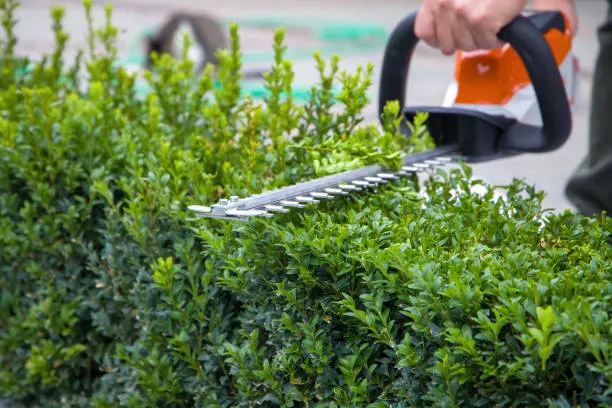
As your garden begins to take shape, the final step is ongoing care and community engagement. Regular maintenance, such as pruning, fertilizing, and composting, ensures that your garden grows healthy for years. Share gardening tips and successes with neighbors, inviting them to enjoy the bounty through events like communal planting days or garden tours. Such activities strengthen community bonds and encourage collective stewardship of shared spaces.
In conclusion, designing a garden with community in mind involves much more than aesthetics. It’s about creating harmony between personal desires and communal values, fostering sustainable practices, and promoting inclusivity. At Mulch & Dig, we believe that gardens have the power to transform landscapes while nurturing connections between people. By implementing a thoughtful approach from concept to cultivation, we ensure that your garden not only thrives but also inspires the community for generations to come.
/filters:no_upscale()/filters:format(webp)/media/04b103c8-1928-4603-af4f-cd9adb632f94.webp)
/filters:no_upscale()/filters:format(webp)/media/31f8ab00-9501-4f07-a64c-b005a3bba0f1.jpeg)