Garden Geometry: Mastering the Art of Symmetry and Structure in Landscaping Apr 07, 2026
Mastering symmetry and structure in landscaping comes down to understanding the principles of balance, alignment, and proportion. Symmetry, when executed effectively, offers a sense of harmony and order. While not all gardens have to feature perfect symmetry, even casual gardeners can benefit from introducing symmetrical elements, such as mirror planting or aligned paths.
Begin by assessing your garden space and noting the existing natural features such as trees or slopes that can influence how you design your landscape. Leverage these elements as focal points, positioning them strategically to enhance natural symmetry. If you have a central path, for instance, plant identical trees or shrubs on either side to create a visual corridor, drawing the eye naturally to a garden focal point, whether it's a water feature or an ornamental sculpture.
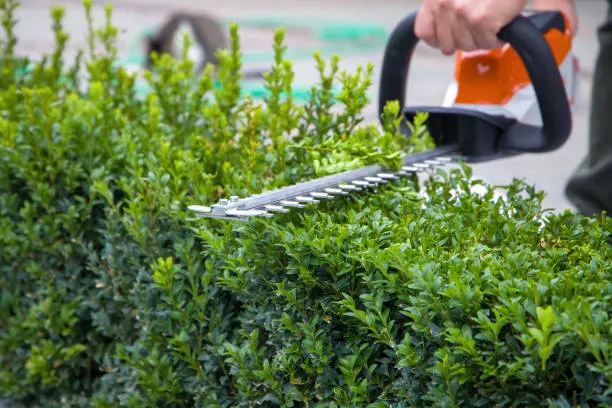
Essentially, garden geometry involves more than just mirroring plants—it’s about the clever use of shapes and spaces. Choosing the correct plants is crucial in achieving this harmony. Opt for plants that provide structure, such as those with distinct forms and sizes. Evergreens or shrubs such as boxwood are perfect for this, as they can be easily trimmed into geometric shapes that give a garden year-round structure.
Additionally, consider adding geometric hardscapes, like patios or walkways, incorporating pavers laid in precise patterns. These hard elements not only add texture and contrast but also guide foot traffic and define outdoor spaces, ensuring a cohesive design flow.
If your goal is a formal garden, which often relies heavily on symmetry and clean lines, start with a clearly defined plan. Implementing a grid system can greatly assist in ensuring all elements are placed accurately. Whichever style you choose, remember that gardens change over time. The interplay between permanence (structures and pathways) and the transient beauty of plants will ensure that your garden remains dynamic and interesting throughout the seasons.
For those who lean towards a more informal aesthetic yet still wish to embrace some geometric elements, asymmetrical balance can be just as appealing. This balance relies on strategically positioning features of different sizes, colors, and textures to achieve an overall sense of unity and flow.
Ultimately, achieving the perfect garden geometry means creating spaces that blend functionality with artistic expression. Your garden should reflect your personality while still adhering to natural and geometric principles. If the task seems overwhelming, consider reaching out for professional landscaping services. At Mulch & Dig, our expertise in transforming spaces into structured, symmetrical havens can save you time and ensure your vision is executed with precision.
In conclusion, the art of symmetry and structure in landscaping lies not only in rigid adherence to geometric forms but also in knowing when to embrace natural irregularities. By blending these elements thoughtfully, you can create beautiful gardens that are serene, functional, and visually stunning. Whether you're rejuvenating an existing garden or starting anew, remember that the key to garden geometry is balance—a principle as timeless as nature itself.
/filters:no_upscale()/filters:format(webp)/media/04b103c8-1928-4603-af4f-cd9adb632f94.webp)
/filters:no_upscale()/filters:format(webp)/media/31f8ab00-9501-4f07-a64c-b005a3bba0f1.jpeg)