Textural Landscapes: Exploring the Art of Contrasting Elements Jun 22, 2026
Textural landscaping refers to the thoughtful use of various elements in your outdoor space to create a visually dynamic experience. By combining different materials, plant shapes, sizes, and colors, you can transform a flat, uninspiring garden into something that catches the eye and pleases the senses. At the heart of this art lies the ability to contrast elements effectively.
One of the foundational principles in creating a textural landscape is the intelligent use of plant types. By juxtaposing fine-textured plants, such as soft grasses, with coarser-textured ones like succulents or broad-leafed perennials, a garden gains depth and dimension. This technique not only makes the landscape visually interesting but also adds a tactile appeal as textures rise and retreat.
Another method to enhance textural dynamics is contrasting natural elements with man-made features. Consider wooden structures against smooth, rounded pebbles or a metal sculpture amid a sea of vibrant foliage. This combination not only highlights each element's unique characteristics but also provides a modern twist, bringing your landscape into the realm of contemporary design.
It’s essential to keep in mind the harmony between different textures to avoid overwhelming the senses. An effective approach is to start small; experiment with various plants, and introduce hardscape elements one step at a time until the balance feels right. Simplicity can often lead to elegance. For instance, combining the rough texture of stone with sleek, reflective water surfaces can create a serene yet dramatic effect.
Incorporating colors in your textural landscape is yet another layer of sophistication. Employ contrasting hues to enhance the textures. Soft pastel plants against a dark bark mulch, or brightly colored blooms against a matte stone path, can make each element stand out distinctively. These vibrant contrasts not only add visual interest but can also evoke moods and feelings, transforming your garden into a personal sanctuary.
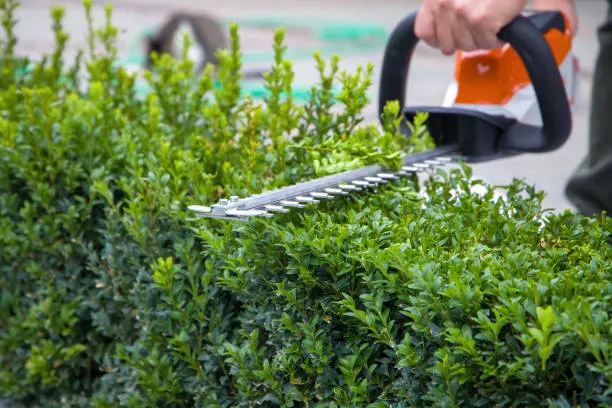
Maintenance plays a crucial role in preserving the artistry of a textural landscape. Regularly check for overgrown plants that might obscure the intended effect of contrasting textures. Pruning and seasonal planting can keep your garden vibrant and balanced, ensuring the initial design intent is sustained throughout the year.
Textural landscaping, while artistically fulfilling, requires thoughtful planning and execution. If you find the process overwhelming, consider reaching out to professionals like those at Mulch & Dig. Our team specializes in creating unique landscapes that capture the essence of contrasting elements seamlessly. Whether you aim to revitalize an existing garden or design a new one from the ground up, we can help bring your vision to life.
In conclusion, the art of creating textural landscapes is about crafting a living tapestry. By contrasting elements, balancing textures, and incorporating the right materials, you can transform a simple garden into a thriving work of art that delights and inspires. At Mulch & Dig, we're passionate about guiding you through this artistic journey, ensuring your outdoor space is both functional and aesthetically captivating.
/filters:no_upscale()/filters:format(webp)/media/04b103c8-1928-4603-af4f-cd9adb632f94.webp)
/filters:no_upscale()/filters:format(webp)/media/31f8ab00-9501-4f07-a64c-b005a3bba0f1.jpeg)